
Tisha B’Av, the ninth day of the Hebrew month of Av, stands as the most solemn occasion in the Jewish calendar. It commemorates a series of catastrophic events that have shaped Jewish history. Central to this day is the destruction of both the First and Second Temples in Jerusalem, symbols of Jewish unity and divine presence. These temples were more than just structures; they were the heart of Jewish religious and communal life. Their devastation scattered the Jewish people, marking the beginning of a long exile.
Beyond the loss of the Temples, Tisha B’Av has become a day of remembrance for other tragic milestones in Jewish history. Expulsions from various lands, pogroms, and other atrocities have been added to the mournful tapestry of this day. It is a time for reflection on the enduring challenges and suffering experienced by the Jewish people throughout the ages.
Observances of Tisha B’Av are marked by a profound sense of mourning. Jews traditionally fast for 25 hours, abstaining from food and drink. Synagogues hold solemn services featuring the poignant Book of Lamentations, a biblical book that expresses the grief and despair following the destruction of Jerusalem. The day is characterized by a somber atmosphere, with many people choosing to sit on low stools, avoid bathing, and refrain from engaging in joyful activities.
While Tisha B’Av is a day of deep sorrow, it also serves for introspection and spiritual renewal. It is a time to connect with the shared history of the Jewish people and to strengthen bonds within the community. Through collective mourning, individuals find solace and resilience, drawing inspiration from the everlasting spirit of the Jewish people.
In these hard days, as the beloved Holly Land and the people living in it are suffering so much pain, surely we can relate to the sadness and heaviness of this time, yet - let us also remember that after destruction comes a time of rebuilding, regathering and celebrating life. The Prophet Zacharia promises that the fast days commemorating the destruction will become days of joy:
And on the same chapter shares one of the most touching prophecies of peace and prosperity:
Amen, may it come to pass.
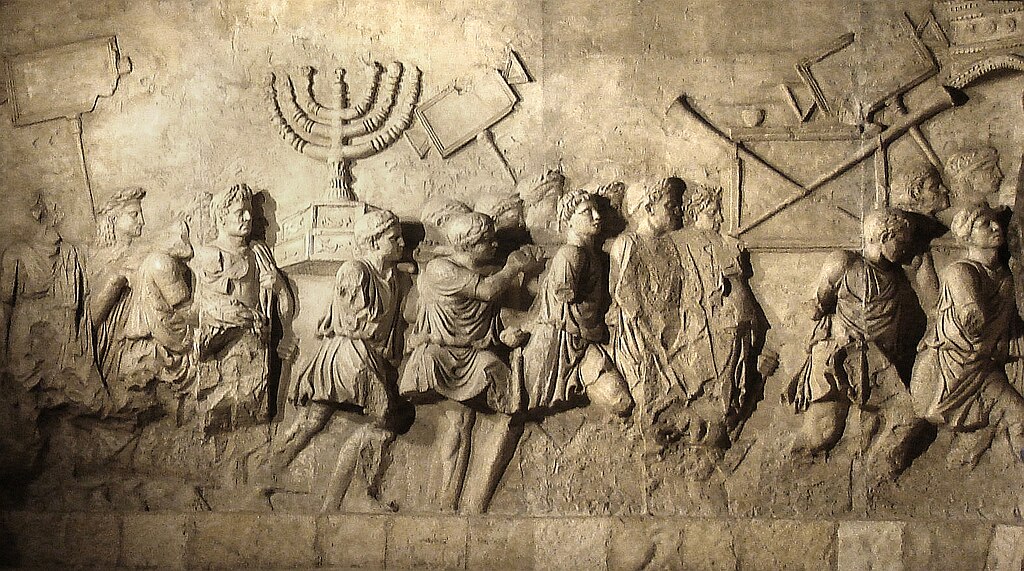
The Menorah carried into exile -Titus Arch, Rome, 1st century C.E
The Menorah carried back to Zion, Megilat HaEsh, the Fire Scroll, Bronze statue, Ya'ar HaKedoshim, Jerusalem, 1972.
 Join us to learn more about the message of the Prophets!
Free online class on Sunday, August 19th, 21:00 Jerusalem time.
Register here: