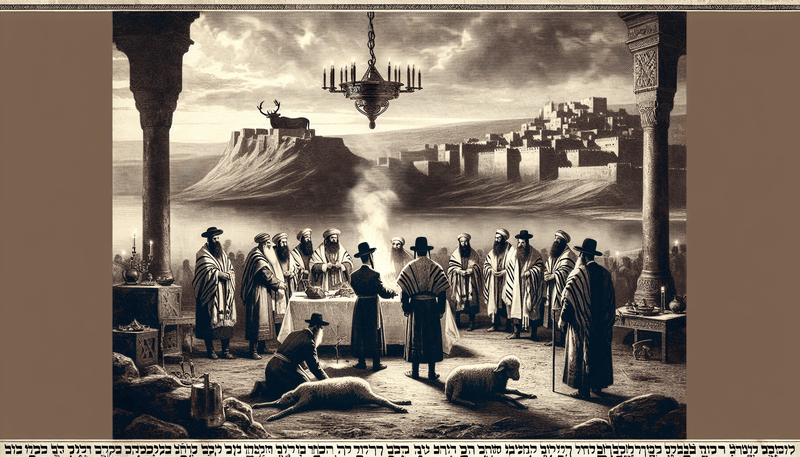
This week, we delve into the fascinating world of Parashat Va'yikra, the first portion in the Book of Leviticus. This Parasha marks a significant transition from the narrative-driven books of Genesis and Exodus to the more law-focused Leviticus. It's a journey into the heart of the Tabernacle's sacrificial system, offering deep insights into themes of atonement, holiness, and community.
At the outset, Va'yikra (which means 'And He called') begins with God calling out to Moses from the Tent of Meeting, laying out the intricate details of various offerings. These include the burnt offering (Olah), meal offering (Minchah), peace offering (Shelamim), sin offering (Chatat), and guilt offering (Asham). Each of these sacrifices had specific rules regarding their preparation and presentation, reflecting a wide range of spiritual and communal functions.
One of the most compelling aspects of Parashat Va'yikra is its emphasis on intentionality and the inner state of the offerer. It's not merely the act of bringing a sacrifice that matters but the mindset and heart behind it. This focus on the internal rather than the external underscores a profound message about the nature of worship and relationship with the divine.
Moreover, the Parasha touches on themes of communal responsibility and individual accountability. The detailed laws around unintentional sins and the required offerings for atonement highlight a society deeply concerned with maintaining spiritual purity and social harmony.
In essence, Parashat Va'yikra invites us into a world where the divine and the mundane meet, where the act of giving transcends the material and becomes a pathway to spiritual renewal. It's a reminder of the enduring power of ritual to connect, cleanse, and elevate both individuals and communities.