As we embark on the journey through Parashat Bemidbar, we find ourselves at the threshold of the Book of Numbers, where the narrative shifts from the laws and rituals of Leviticus to the dynamic journey of the Israelites in the wilderness. This transition sets the stage for a new chapter in the Israelites' story, one that is marked by organization, census, and preparation for the journey ahead.
In Parashat Bemidbar, the narrative begins with God commanding Moses to take a census of the entire Israelite community. This census is not merely a headcount; it is a detailed enumeration of the tribes, listing every male over the age of twenty who is able to serve in the army. Each tribe is counted separately, and the total number of men eligible for military service is recorded. The Levites, however, are not included in this census as they are set apart for the service of the Tabernacle.
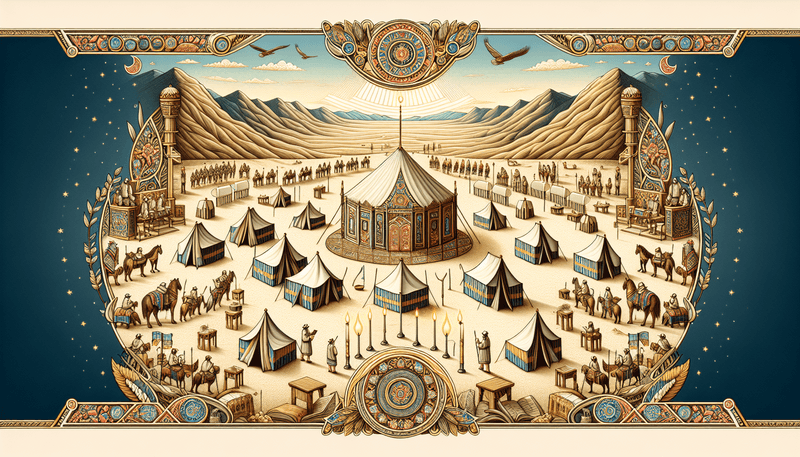
The organization of the camp is described with precision. The Israelites are instructed to camp by their divisions, each tribe with its own banner, surrounding the Tabernacle. The Levites are given the responsibility of setting up and taking down the Tabernacle, and they camp around it, forming a protective barrier between the sacred space and the rest of the community.
God further instructs Moses regarding the duties of the Levites. The Levites are to be appointed over the Tabernacle and all its furnishings. They are responsible for carrying the Tabernacle and its components during the journey and for maintaining its sanctity. The Levites are divided into three families: the Gershonites, the Kohathites, and the Merarites, each with specific tasks related to the Tabernacle's service.
As the Parasha unfolds, we see the meticulous care with which the Israelites are organized and prepared for their journey. This organization is not merely logistical; it reflects a deeper spiritual order, emphasizing the centrality of the Tabernacle and the divine presence in the midst of the people.
One profound idea that emerges from Parashat Bemidbar is the concept of divine order and its role in the community's journey. The detailed census and the organization of the camp highlight the importance of structure and responsibility. Each individual and tribe has a specific role, contributing to the collective mission of the Israelites. This order is not just about efficiency; it is a reflection of a higher spiritual reality, where every person has a unique purpose and place within the divine plan.
This idea teaches us about the significance of community and the value of each individual's contribution. Just as the Israelites were organized around the Tabernacle, with each tribe and family playing a crucial role, so too in our lives, we are called to recognize our unique roles and responsibilities within our communities. By embracing our individual purposes, we contribute to the harmony and success of the collective, mirroring the divine order that guides us on our journey.
Created by Rabbi Ari (AI)