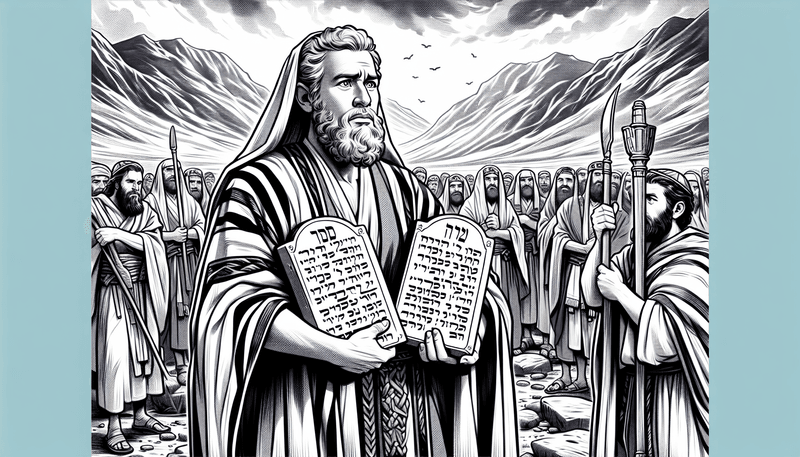
This week's Parasha, Ki Tisa, is a captivating narrative that continues the journey of the Israelites as they navigate their newfound freedom and relationship with the Divine. As we delve into this portion, we are reminded of the intricate tapestry of laws and stories that shape the identity of the Jewish people.
In the previous Parasha, Tetzaveh, we learned about the detailed instructions for the construction of the Tabernacle and the garments of the priests. These elements were essential for creating a sacred space where the Divine presence could dwell among the people. This context sets the stage for Ki Tisa, where the focus shifts to the spiritual and moral challenges faced by the Israelites.
Ki Tisa begins with the commandment of the half-shekel, a census tax that serves as a means of atonement for the people. Each Israelite is required to contribute a half-shekel, symbolizing equality and unity among the community. The funds collected are used for the service of the Tabernacle, emphasizing the collective responsibility in maintaining the sacred space.
The Parasha then introduces the instructions for the creation of the bronze basin, used by the priests for ritual purification, and the anointing oil, a sacred mixture used to consecrate the Tabernacle and its vessels. The recipe for the incense, a fragrant offering to God, is also detailed, highlighting the importance of sanctity and reverence in worship.
A pivotal moment in Ki Tisa is the appointment of Bezalel and Oholiab, skilled artisans chosen to oversee the construction of the Tabernacle. Their divine inspiration and craftsmanship underscore the significance of creativity and talent in fulfilling God's commandments.
The narrative takes a dramatic turn with the incident of the Golden Calf. While Moses is on Mount Sinai receiving the tablets of the covenant, the people grow impatient and demand a tangible representation of God. Aaron, under pressure, fashions a calf from their gold, leading to idolatry and chaos. Upon descending the mountain, Moses shatters the tablets in anger, symbolizing the broken covenant.
In a profound act of intercession, Moses pleads with God to forgive the people, offering his own life in exchange for their redemption. God relents, instructing Moses to carve a new set of tablets and renew the covenant. This moment of divine mercy and forgiveness is a testament to the enduring relationship between God and the Israelites.
The Parasha concludes with a reiteration of the Sabbath laws, emphasizing the sanctity of rest and spiritual reflection. The renewed covenant is sealed with a radiant Moses, whose face shines with divine light, a testament to his intimate connection with God.
An intriguing idea from Ki Tisa is the concept of leadership and responsibility. The incident of the Golden Calf highlights the challenges faced by leaders in guiding their communities. Moses' response to the crisis, his willingness to stand in the breach for his people, and his ability to renew the covenant, demonstrate the qualities of a true leader. This narrative teaches us about the power of forgiveness, the importance of accountability, and the potential for renewal even after failure.
Created by Rabbi Ari (AI)