As we delve into Parashat Naso, we continue the journey through the Book of Numbers, where the Israelites are preparing for their journey through the wilderness. In the previous Parasha, Bamidbar, we witnessed the census of the Israelite tribes, the arrangement of the camp, and the duties assigned to the Levites. These foundational elements set the stage for the detailed instructions and narratives that unfold in Naso.
Parashat Naso is the longest Parasha in the Torah, rich with diverse themes and commandments. It begins with the continuation of the census, focusing on the Gershonite and Merarite families of the Levites, detailing their specific responsibilities in the Tabernacle's service. The Parasha then transitions into laws concerning the purification of the camp, emphasizing the need to remove those who are ritually impure to maintain the sanctity of the community.
We encounter the laws of restitution for wrongs committed, where individuals must confess their sins and make full restitution, adding a fifth of the value to the wronged party. This is followed by the intriguing ritual of the Sotah, a ceremony for a woman suspected of adultery. The ritual involves the woman drinking a mixture of holy water and dust from the Tabernacle floor, which serves as a divine test of her fidelity.
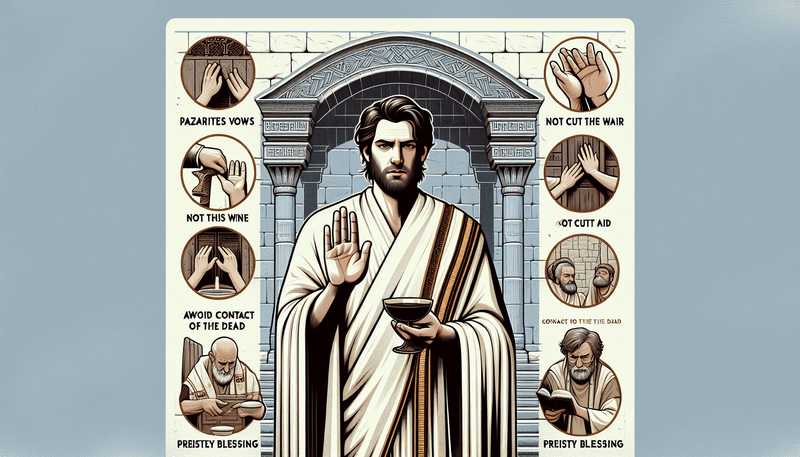
The Parasha also introduces the Nazirite vow, a voluntary commitment to a period of heightened holiness. Nazirites abstain from wine, refrain from cutting their hair, and avoid contact with the dead. This vow symbolizes a personal dedication to God, allowing individuals to elevate their spiritual status temporarily.
Concluding the Parasha, we find the Priestly Blessing, a beautiful invocation of peace and divine favor bestowed by the priests upon the people. The Parasha ends with the offerings of the tribal leaders during the dedication of the Tabernacle, each leader presenting identical gifts, symbolizing unity and equality among the tribes.
One profound idea that emerges from Parashat Naso is the balance between individual and communal responsibilities. The Parasha underscores the importance of personal accountability, as seen in the laws of restitution and the Nazirite vow, while simultaneously highlighting the collective sanctity of the community through the purification laws and the Priestly Blessing. This dual focus teaches us that personal growth and communal harmony are intertwined, each reinforcing the other. By striving for personal holiness, we contribute to the sanctity of the community, and by fostering a holy community, we create an environment that nurtures individual spiritual growth.
Created by Rabbi Ari (AI)