As we delve into Parashat Shemot, we embark on a transformative journey that sets the stage for the epic narrative of the Exodus. The previous Parasha, Vayechi, concluded with the death of Joseph and the end of an era where the Israelites enjoyed favor in Egypt. This transition is crucial as it marks the beginning of a new chapter filled with challenges and divine intervention.
In Parashat Shemot, we witness the dramatic shift in the Israelites' circumstances. A new Pharaoh ascends to power, one who does not remember Joseph and his contributions to Egypt. Fearing the growing number of Israelites, Pharaoh enslaves them, subjecting them to harsh labor. Despite the oppression, the Israelites continue to multiply, prompting Pharaoh to order the Hebrew midwives, Shiphrah and Puah, to kill all newborn Hebrew boys. The midwives, however, fear God and defy Pharaoh's orders, allowing the boys to live.
Amidst this backdrop of suffering, a Levite woman gives birth to a son. To save him from Pharaoh's decree, she places him in a basket and sets it afloat on the Nile. Pharaoh's daughter discovers the basket and, moved by compassion, adopts the child, naming him Moses. As Moses grows, he becomes aware of his Hebrew heritage. One day, witnessing an Egyptian beating a Hebrew slave, Moses intervenes and kills the Egyptian. Fearing retribution, he flees to Midian, where he marries Zipporah, the daughter of Jethro, and becomes a shepherd.
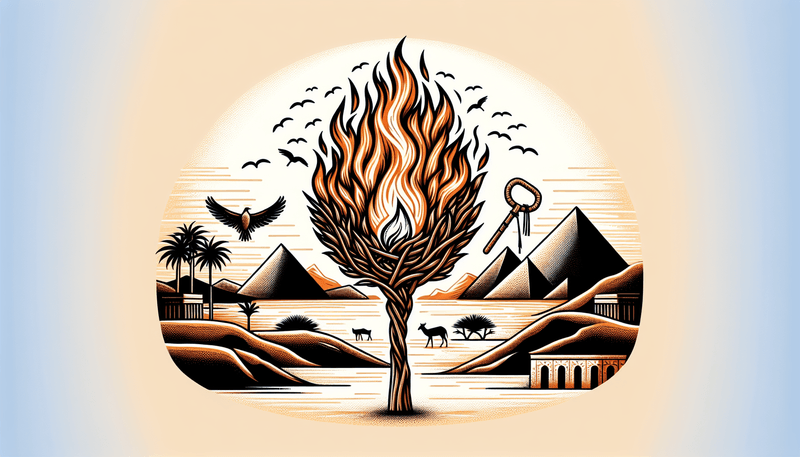
While tending to his flock, Moses encounters a burning bush that is not consumed by the flames. God speaks to him from the bush, revealing His plan to deliver the Israelites from bondage and appointing Moses as the leader to accomplish this mission. Despite Moses' hesitations and concerns about his ability to lead, God reassures him and provides signs to validate his mission. Moses is instructed to return to Egypt and confront Pharaoh, demanding the release of the Israelites.
As Moses prepares to leave Midian, God informs him that those who sought his life in Egypt are dead. Accompanied by his brother Aaron, Moses returns to Egypt. They gather the elders of Israel and convey God's promise of deliverance. The people believe and bow in worship, filled with hope for their impending liberation.
One profound idea that emerges from Parashat Shemot is the concept of divine providence and human agency. The narrative illustrates how God orchestrates events to fulfill His promises, yet He also empowers individuals to act as agents of change. Moses, despite his initial reluctance, becomes a pivotal figure in the redemption of the Israelites. This interplay between divine will and human action underscores the belief that while God guides the course of history, individuals are called to rise to the occasion and participate in the unfolding of His plans. This idea encourages us to recognize our potential to effect change and to trust in the divine support that accompanies our efforts.
Created by Rabbi Ari (AI)