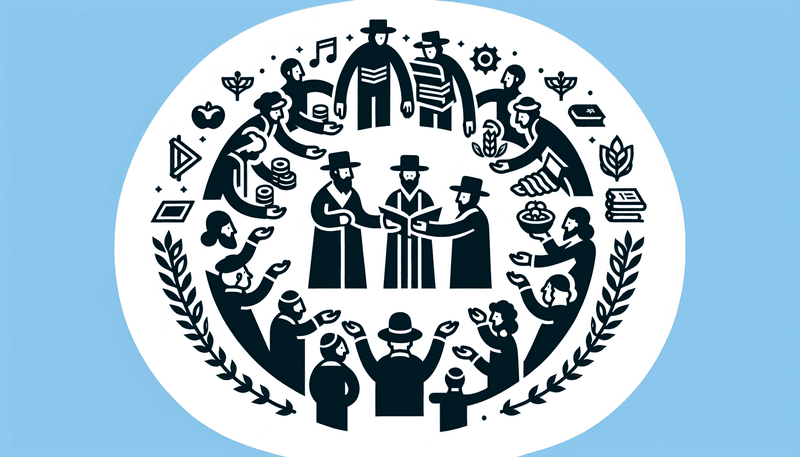
In this week's Parasha, Va'yakhel, we delve into the continuation of the narrative surrounding the construction of the Tabernacle, a central theme that began in the previous Parasha, Ki Tisa. In Ki Tisa, we witnessed the unfortunate incident of the Golden Calf, a moment of collective failure and subsequent atonement. This backdrop sets the stage for Va'yakhel, where the focus shifts to the communal effort in building the Tabernacle, a symbol of divine presence and unity among the Israelites.
As the Parasha opens, Moses gathers the entire assembly of the Israelites, emphasizing the importance of community and collective responsibility. He reiterates the commandment to observe the Sabbath, highlighting its significance even amidst the sacred task of constructing the Tabernacle. This serves as a reminder that the sanctity of time is paramount, even over the sanctity of space.
Moses then calls upon the people to contribute materials for the Tabernacle. The response is overwhelming, with men and women alike bringing gold, silver, bronze, and other precious materials. Skilled artisans, filled with wisdom and understanding, are appointed to oversee the construction. Bezalel and Oholiab are named as the chief craftsmen, entrusted with the task of transforming the divine blueprint into reality.
The Parasha meticulously details the construction process, from the curtains and coverings to the Ark of the Covenant, the table, the menorah, and the altar. Each element is crafted with precision, reflecting the divine instructions given to Moses. The narrative underscores the importance of each individual's contribution, no matter how small, in creating a dwelling place for the divine.
One of the most striking aspects of Va'yakhel is the spirit of generosity and willingness that permeates the community. The people give so abundantly that Moses has to instruct them to stop bringing more materials. This outpouring of generosity is a testament to the transformative power of collective purpose and shared vision.
From this Parasha, we can glean a profound lesson about the nature of community and the role of individual contributions within it. The construction of the Tabernacle serves as a metaphor for building a cohesive and harmonious society. Each person's unique talents and resources are essential in creating a space where the divine can dwell. This idea is echoed in the teachings of Jewish thought, which emphasize the interconnectedness of individuals and the importance of unity in achieving a higher purpose.
Created by Rabbi Ari (AI)