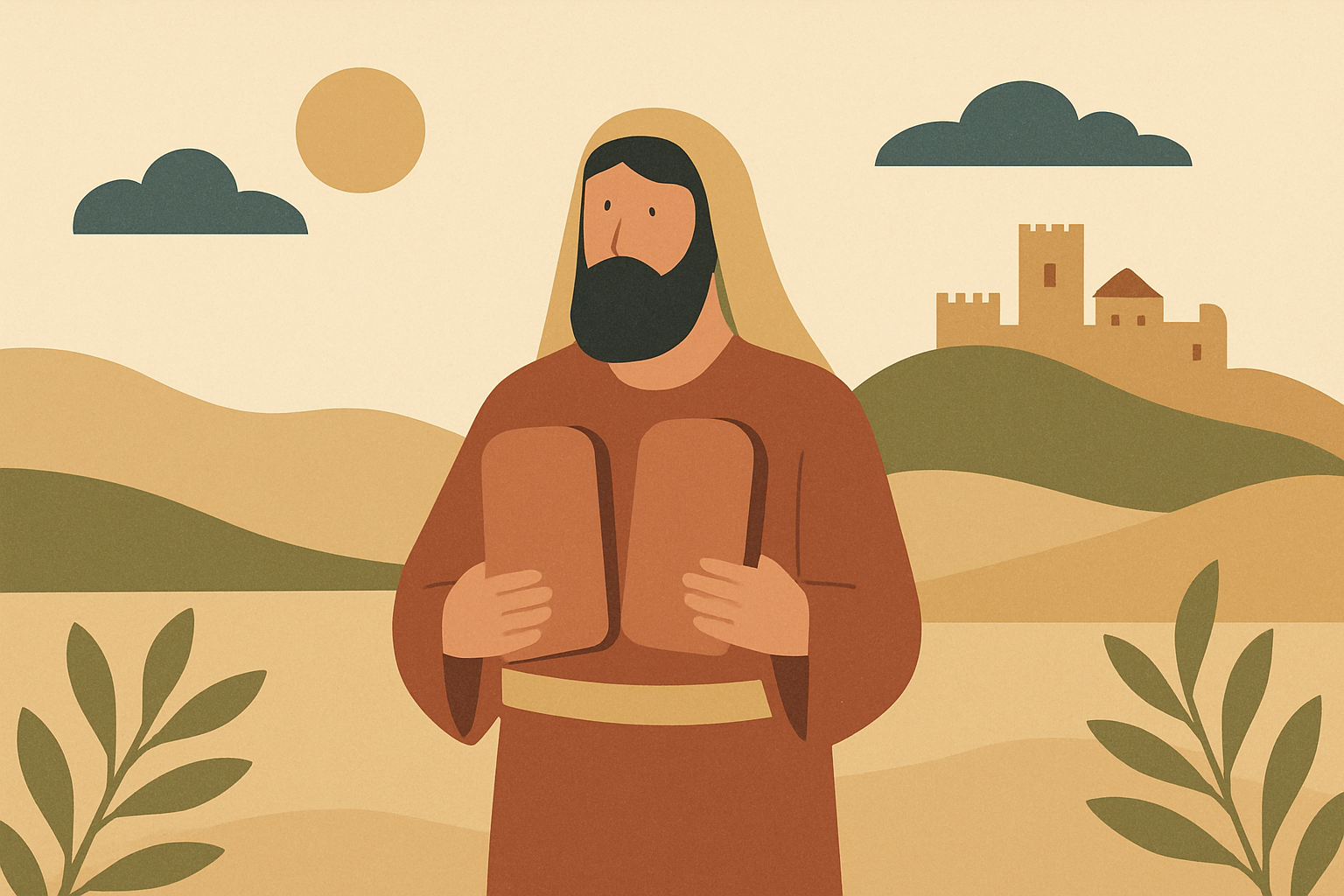
Introduction: Last week's Parasha, Va'etchanan, described Moshe's heartfelt plea to enter the Land of Israel, the repetition of the Ten Commandments, and the Shema, the central declaration of faith. Moshe reminded the people of their unique relationship with God, the importance of keeping the mitzvot, and the dangers of idolatry. These themes set the stage for Parashat Ekev, where Moshe continues to prepare the Israelites for life in the Promised Land, emphasizing the consequences of their choices and the importance of gratitude and humility.
The Parasha in Simple Words: Moshe tells the Israelites that if they listen to and keep all the commandments, God will keep His covenant and show them love, blessing them with children, crops, livestock, and protection from sickness. God will drive out the nations before them, and the Israelites will not be afraid, because God will help them win. They are told to destroy all idols and not to bring anything connected to idol worship into their homes.
Moshe reminds the people of the forty years in the desert, explaining that God tested them to see if they would keep His commandments. Their clothes did not wear out, and their feet did not swell. God gave them manna to teach them that people do not live by bread alone, but by what God says. When they enter the good land, with streams, wheat, barley, vines, figs, pomegranates, olive oil, and honey, they must eat, be satisfied, and bless God for the land. They are warned not to forget God when they become wealthy, thinking their own strength brought them success. If they forget God and follow other gods, they will be destroyed like the nations before them.
Moshe tells them they are not getting the land because of their own righteousness, but because of the wickedness of the nations and because of God's promise to the forefathers. He reminds them of their stubbornness, recalling the sin of the golden calf, when he broke the tablets and prayed for forgiveness. He also mentions other times they angered God, like at Tav’erah, Massah, and Kivrot HaTa’avah. Moshe describes how he prayed for forty days and nights for the people and for Aaron, and how God forgave them. He tells them how he made new tablets and an ark, and how the Levites were chosen to serve God.
Moshe says that God wants the people to fear Him, walk in His ways, love Him, and serve Him with all their heart and soul, and to keep His commandments for their own good. God owns the heavens and the earth, but He chose their ancestors and loves their descendants. Moshe tells them to circumcise their hearts and not be stubborn. God is great, just, and cares for the orphan, widow, and stranger. The people must love the stranger, because they were strangers in Egypt. They are told to fear God, serve Him, and swear by His name. God did great things for them in Egypt, and their ancestors went down as seventy people and became as numerous as the stars.
Moshe says that if they keep the commandments, love God, and serve Him with all their heart and soul, God will give rain in its season, and they will have plenty to eat. But if they turn to other gods, God will stop the rain, and they will perish from the land. The people are told to put these words on their hearts and souls, tie them as a sign on their hands and between their eyes, teach them to their children, speak of them at home and on the road, when lying down and getting up, and write them on the doorposts and gates. If they keep these commandments, God will drive out the nations, and they will have a large land, as promised to their ancestors. No one will stand against them, and God will put fear of them on all the land. They are given a choice: a blessing if they obey the commandments, and a curse if they do not. When they enter the land, the blessing will be on Mount Gerizim and the curse on Mount Ebal, near Shechem.
An Idea from the Parasha: One of the most powerful lessons in this Parasha is the commandment to bless God after eating and being satisfied. This teaches us the importance of gratitude, not just when we are in need, but especially when we have abundance. The Torah warns that when we are comfortable and successful, it is easy to forget where our blessings come from and to think it is all our own doing. By commanding us to bless God after eating, the Torah trains us to recognize that everything we have is a gift, and to remain humble and thankful even in times of plenty. This practice of gratitude helps us stay connected to our values and to the Source of all good, no matter our circumstances.
Created by Rabbi Ari (AI)