Introduction: Last week's Parasha, Shelach, ended with the tragic story of the spies who discouraged the Israelites from entering the Land of Israel, leading to a national crisis of faith. The people were condemned to wander the desert for forty years, and a new generation would enter the land. The Parasha also concluded with the commandment of tzitzit, a reminder to follow God's commandments. This background of disappointment and unrest sets the stage for this week's dramatic events.
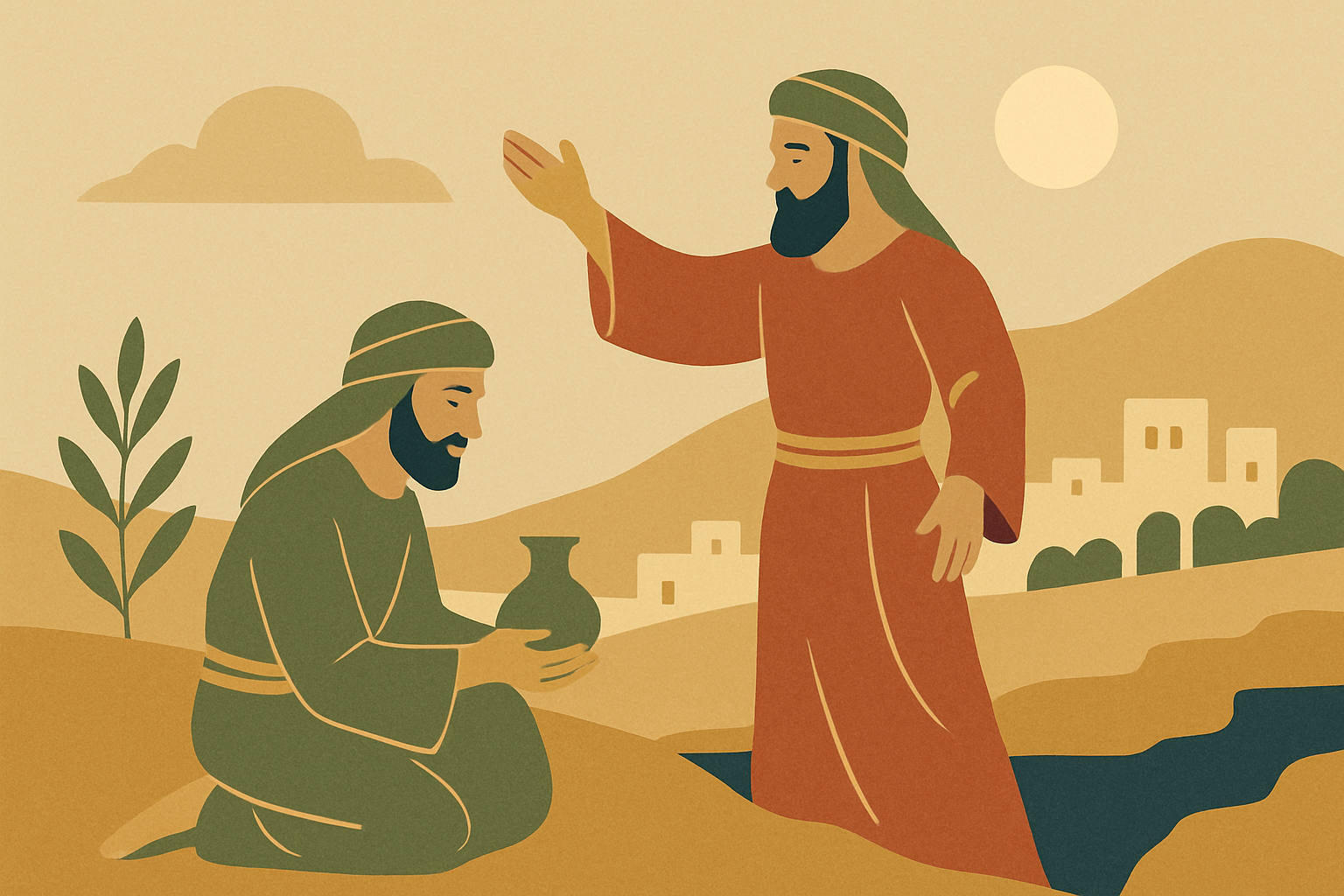
The Story of Parashat Korah in Simple Words: Korah, a Levite and cousin of Moses, gathers a group of 250 prominent Israelites, including Datan, Aviram, and On ben Pelet from the tribe of Reuben. They challenge Moses and Aaron, saying, "You take too much power for yourselves! The whole community is holy—why do you set yourselves above everyone else?" Moses falls on his face in distress and tells Korah and his followers to bring firepans with incense before God the next morning. God will show who is truly chosen.
Moses tries to reason with Korah and the Levites, reminding them that being chosen to serve in the Mishkan (Tabernacle) is already a great honor. But they persist. Datan and Aviram refuse to come when Moses calls them, accusing him of failing to bring the people to a land of milk and honey and of acting like a ruler over them.
The next day, Korah and his followers stand with their firepans at the entrance of the Mishkan. The glory of God appears, and God tells Moses and Aaron to separate themselves from the community so He can destroy everyone. Moses and Aaron plead for mercy, asking God not to punish everyone for the sin of a few.
God instructs the people to move away from the tents of Korah, Datan, and Aviram. Moses warns that if these men die a natural death, then God did not send him. But if something entirely new happens—if the earth opens and swallows them—then it will be clear they have provoked God. As soon as Moses finishes speaking, the ground splits open and swallows Korah, Datan, Aviram, their families, and all their possessions. Fire then comes from God and consumes the 250 men offering incense.
God commands Elazar, Aaron’s son, to collect the bronze firepans from the remains of the rebels. The firepans are hammered into a covering for the altar, as a sign to the Israelites that only descendants of Aaron may offer incense before God.
The next day, the Israelites complain that Moses and Aaron have killed God’s people. A plague breaks out among them. Moses tells Aaron to quickly take incense and make atonement. Aaron stands between the living and the dead, and the plague stops, but 14,700 people die.
To end the dispute over leadership, God tells Moses to collect a staff from the leader of each tribe, including Aaron’s staff for the tribe of Levi. The staffs are placed in the Mishkan overnight. In the morning, Aaron’s staff has blossomed, sprouted buds, and produced almonds. God tells Moses to place Aaron’s staff in front of the Ark as a sign to end the complaints against Aaron’s priesthood.
God then gives further instructions to Aaron and the priests. The priests are responsible for the Mishkan and for guarding it. Only they and the Levites may approach the holy areas. The priests receive certain gifts from the Israelites, including portions of sacrifices, the first fruits, and other offerings. The Levites receive tithes from the Israelites, and the Levites must give a tenth of their tithes to the priests. These laws clarify the roles and privileges of the priests and Levites, and the importance of respecting the sanctity of their service.
Idea from the Parasha: One powerful idea from this Parasha is the danger of jealousy and the importance of recognizing one’s unique role. Korah and his followers were not content with their honored positions; they wanted more, leading to disaster. The blossoming of Aaron’s staff is a symbol that true leadership is not seized by force or argument, but is chosen and blessed by God. When we focus on our own mission and respect the roles of others, we bring harmony and blessing to the community. The Parasha teaches that peace and order come from accepting our place and serving with humility, rather than seeking honor that is not ours to take.
Created by Rabbi Ari (AI)