Selichot are a series of repentance prayers, at the foundation of the Jewish High Holidays liturgy. This season of introspection, repentance, and divine mercy has its roots in ancient Jewish texts and practices, evolving over centuries to reflect the diverse experiences of Jewish communities worldwide.
The Selichot services, often held late at night or early in the morning, create a solemn and reflective atmosphere. In Sephardic communities, Selichot begins in the month of Elul, leading up to Yom Kippur. The prayers, often set to intricate melodies, are imbued with the rich cultural heritage of medieval Spain and North Africa. Ashkenazi Jews, on the other hand, typically start their Selichot services on the Saturday night before Rosh Hashanah. Yemenite Jews, with their unique Selichot tradition, blend biblical verses with ancient melodies, preserving the distinctive character of their community.
Despite these variations, the core message of Selichot remains universal: the human longing for forgiveness and redemption. It's a time for individuals to confront their shortcomings, seek reconciliation with others, and reconnect with their spiritual roots.
One of the most special aspects of Selichot is the practice of arriving early to the synagogue. The dim light, the hushed whispers, and the rhythmic chanting create a serene and introspective space. It's a place where the worries of the day can be set aside, and the soul can connect with something deeper.
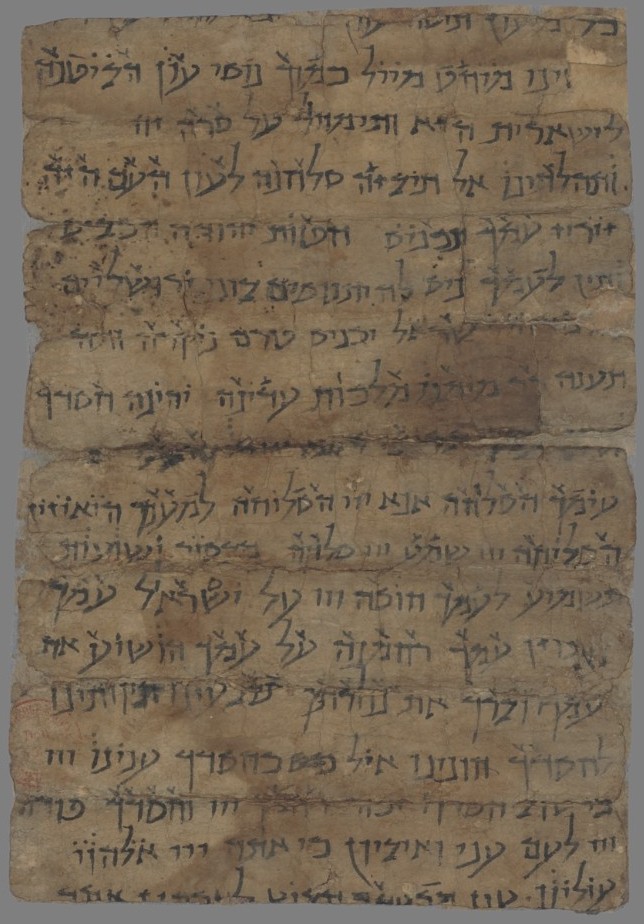
The power of these traditions is exemplified by the discovery of a Jewish manuscript in the Mogao Caves of Dunhuang, China. Dating back to the 8th or 9th century CE, the manuscript contains Selichot prayers, revealing the presence of Jewish communities along the ancient Silk Road. This extraordinary find underscores the global reach and resilience of Judaism.
Selichot is more than just a religious observance; it's a journey of self-discovery and spiritual renewal. It's a reminder that the human experience, with its joys and sorrows, is shared by people across cultures and generations. The Selichot manuscript from Dunhuang serves as a testament to the enduring nature of Jewish traditions and their ability to connect communities across time and space.
Below: Selihah prayer in Hebrew. Discovered in 1908 in the Dunhuang Caves, China.