Introduction: What are the Tallit and Tzitzit?
The Tallit (prayer shawl) and its Tzitzit (fringes) are iconic symbols of the Jewish faith, worn as a reminder of the divine commandments and the spiritual journey. These garments carry profound significance, blending tradition, identity, and devotion. Today, we will explore the meaning, purpose, and practices surrounding the Tallit and Tzitzit, offering a glimpse into their role in Jewish life.
What is the Tallit and Why is it Significant?
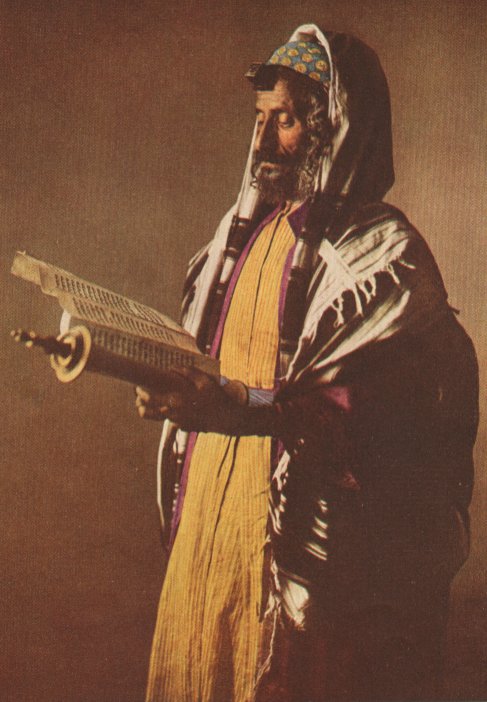
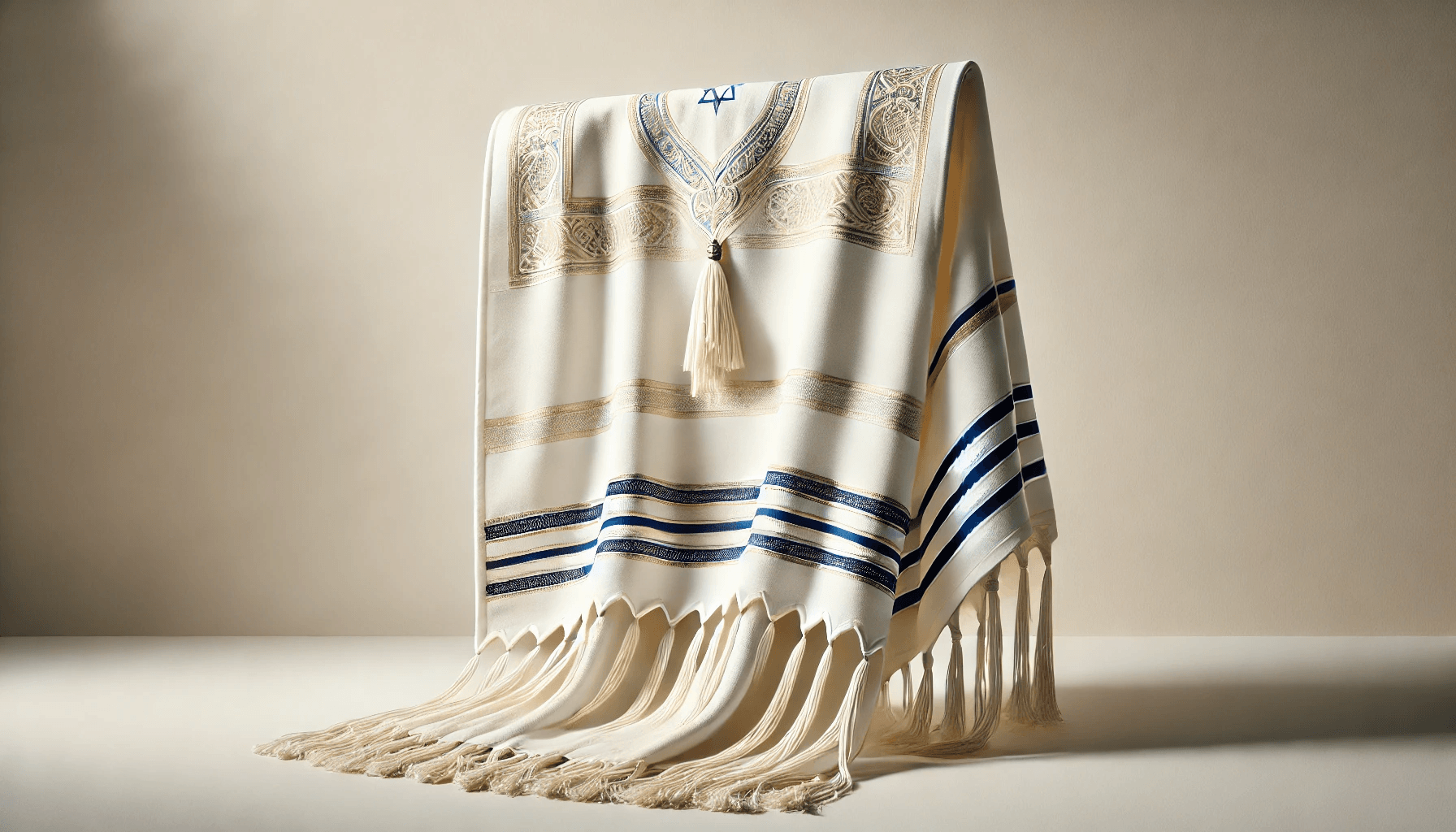
The Tallit is a rectangular prayer shawl, often adorned with decorative stripes, worn over the shoulders during prayers. Its most defining feature is the Tzitzit, fringes attached to the corners, fulfilling the biblical commandment in Numbers 15:37-41:
The Tzitzit: A Tangible Reminder of the Commandments
The tzitzit, with its intricate knots and threads, serves as a physical and visual reminder of the 613 mitzvot (commandments). Each fringe contains eight threads and five knots, numerically corresponding to the Hebrew word tzitzit (600) and the 13 principles of faith. Historically, a Tekhelet (blue thread) was included, symbolizing a divine connection to the heavens, though this practice faded due to the loss of the specific dye source. To highlight its importance, Maimonides, in his Mishneh Torah (Laws of Tzitzit 3:9), writes:
The commandment of tzitzit is equal to all the mitzvot combined, as it reminds a person of all of them.
How and When is the Tallit Worn?
The tallit is primarily worn during morning prayers, Shabbat, and festivals. On Yom Kippur, it is also worn during evening prayers, signifying the unique sanctity of the day. The process of donning the tallit begins with a blessing:
Baruch atah Adonai Eloheinu Melech ha’olam, asher kid’shanu b’mitzvotav v’tzivanu l’hitatef b’tzitzit.
(Blessed are You, Lord our God, Sovereign of the universe,
who has sanctified us with His commandments
and commanded us to wrap ourselves in tzitzit.)
The act of wrapping oneself in the tallit transforms the moment into a spiritual experience, focusing the mind on prayer and devotion.
The Tallit in Halacha
The Shulchan Aruch (Orach Chayim 8:1-4) provides some detailed guidelines for the Tallit. For example, The Tallit should be large enough to cover most of the body; the Tzitzit must be tied according to specific halachic methods, with attention to detail and intention; and the Tallit Gadol is worn during prayer, while the Tallit Katan is worn daily under clothing as a constant reminder of the Mitzvot.
These rulings emphasize the importance of Kavana (intention) when performing the mitzvah, ensuring that the tallit is not merely a garment but a tool for spiritual connection.
Who Wears the Tallit?
Traditionally, Jewish men begin wearing the Tallit Gadol upon reaching bar mitzvah age. However, in many progressive and egalitarian communities, women also wear the tallit, expressing their equal engagement in religious practices. The Tallit Katan, a smaller version worn beneath clothing, is observed by many men as a daily practice, serving as a constant reminder of their faith.
The Spiritual Connection of Tallit and Tzitzit
The Tallit and Tzitzit embody the essence of mindfulness in faith. Every fringe, knot, and thread symbolizes the teachings of the Torah and the
commitment to living a life of purpose. They remind the wearer to act with integrity, compassion, and adherence to divine law in all areas of life. Rabbi Abraham Isaac Kook beautifully explained the symbolism of the tallit:
When one wraps in a tallit, they are wrapping themselves in the light of God’s presence, preparing to stand in divine service.
The Tallit as a Bridge Between Generations
The Tallit also holds cultural significance, passed down through generations as a treasured heirloom. Many families gift a tallit during significant milestones, such as bar and bat mitzvahs, weddings, or conversions. The designs of Tallitot today range from traditional to modern, allowing individuals to express their unique identities while honoring tradition.
Modern Perspectives on the Tallit
In today’s world, the tallit continues to evolve. Many Tallitot feature artistic designs, incorporating vibrant colours, intricate embroidery, or personal inscriptions. While its form may change, its essence remains steadfast: a garment that unites past, present, and future, connecting individuals to their heritage and faith.
Conclusion: The Eternal Significance of the Tallit and Tzitzit
The tallit and tzitzit are far more than garments; they are symbols of devotion, identity, and spiritual mindfulness. Whether worn during prayer or as part of daily life, they remind the wearer of their connection to God, their community, and their values. As timeless symbols of the Jewish faith, they continue to inspire generations, weaving together tradition and modernity in the fabric of Jewish life.
Picture below: Yemenite Jew wearing Talith, 1914.